


Can Stroke Be Cured?
July 22, 2024Casino Senza Account: La Rivoluzione del Gaming Online Istantaneo
September 4, 2026The Cause of Pain
Fascia and Chronic Pain: Uncovering the Missing Link
When people think about chronic pain, most imagine worn-out joints, muscle tears, or inflammation of the nerves. But what if the root cause lies in a structure we rarely consider—fascia? This web-like connective tissue surrounds every muscle, bone, and organ in the body, forming an interconnected system that holds everything together. Far from being passive, fascia is alive with sensory receptors, influencing how we move, feel, and even how we heal.

“Healing starts where movement begins.”
What Exactly is Fascia? The Body’s Living Web
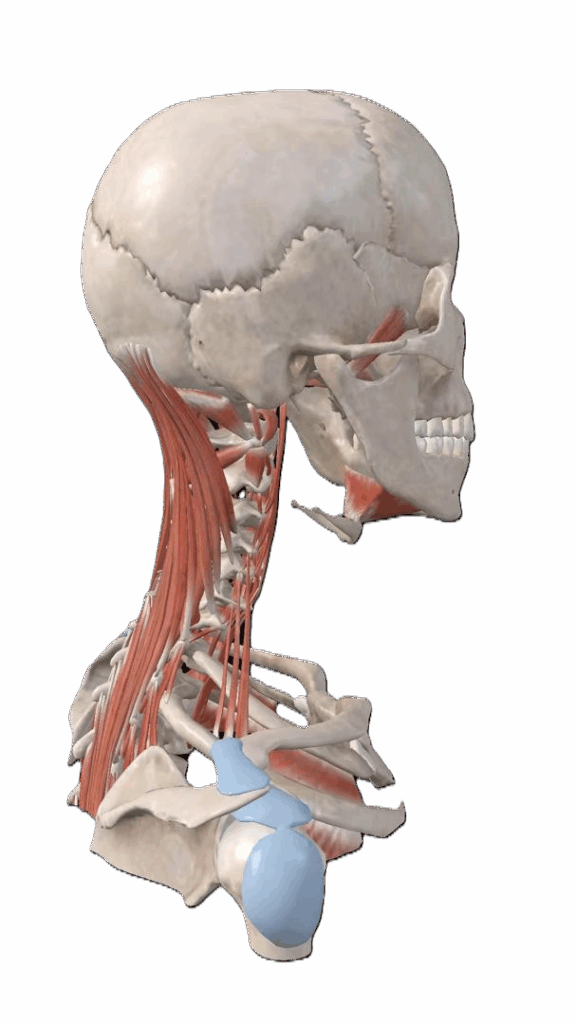
Think of fascia as your body’s most sophisticated, all-encompassing spider web. It’s a thin, wet, and incredibly strong layer of connective tissue that surrounds every single part of you: every muscle fiber, every organ, every nerve, and every blood vessel. It’s all one continuous structure, from the top of your head to the tips of your toes.
In its healthy state, fascia is flexible and slippery, allowing your muscles to glide smoothly against each other. It’s what gives your body its structural integrity and allows for effortless, pain-free movement. It’s not just a passive wrapper; it’s a living, sensory organ rich with nerves that communicates constantly with your brain.
When Your Web Gets Stuck: The Root of Chronic Pain
So, how does this amazing system cause pain? The problem begins when our fascia loses its supple, hydrated quality. Through repetitive poor movement patterns, long periods of inactivity (like sitting at a desk), dehydration, or even emotional stress, this tissue can become sticky, tight, and restricted. It’s like a spider web that has gathered dust and lost its elasticity.
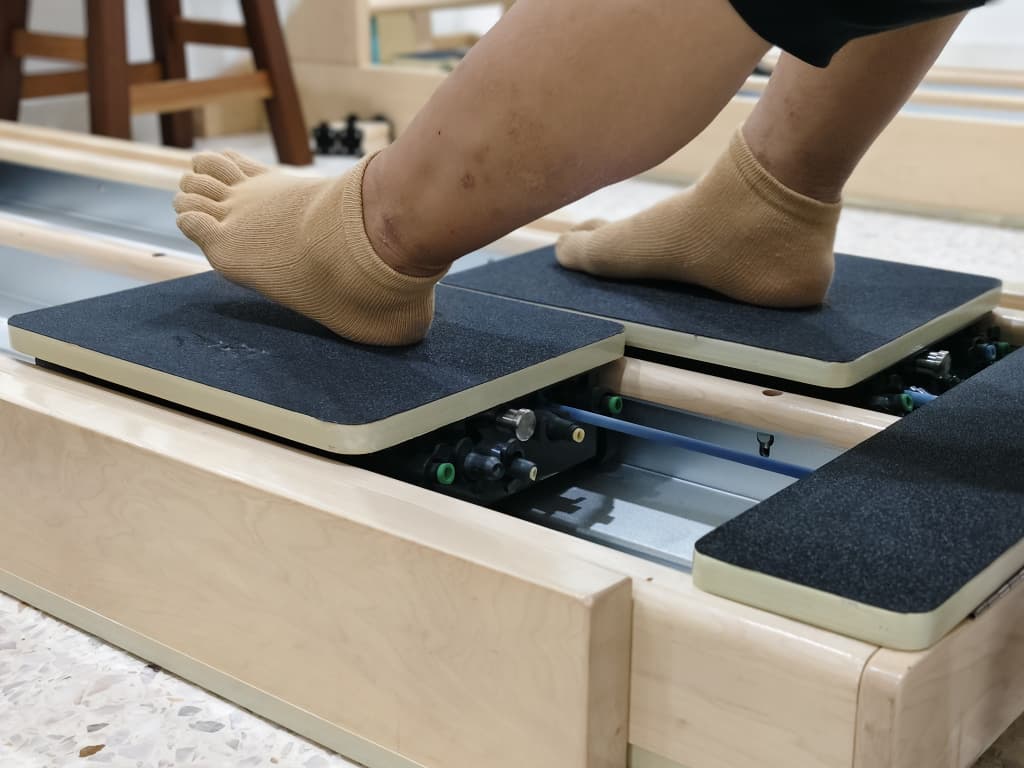
These restrictions don’t exist in isolation. Because fascia is one continuous system, a tight spot in your ankle can create a pull through your calf, into your hip, and right up to your neck. Your body is forced to compensate, creating dysfunctional movement patterns that place undue stress on other areas. This is why you might feel shoulder pain stemming from a hip issue, or headaches originating from your feet. The pain you feel is often the symptom—the fascial restriction is the cause.
Why Traditional Approaches Often Fail
Typical treatments—painkillers, massage, or even surgery—may bring temporary relief but often fail to address the root problem: dysfunctional biomechanics. Without restoring balance in how the body moves as an integrated system, fascia continues to bear abnormal stress. Over time, the same discomfort returns, sometimes worse than before.
A Path Toward Healing
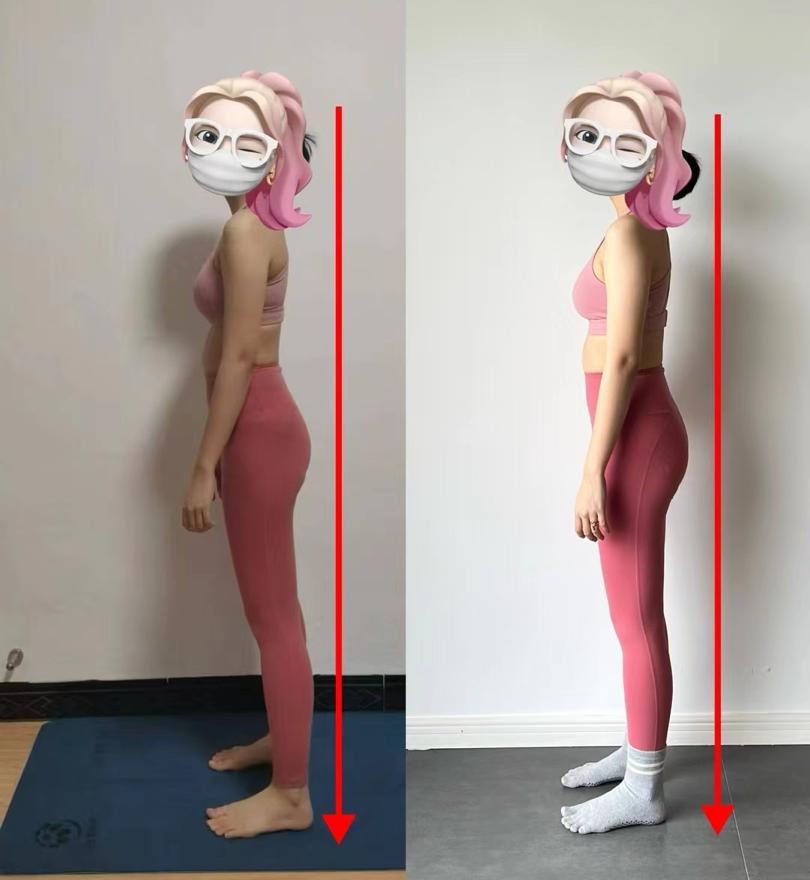
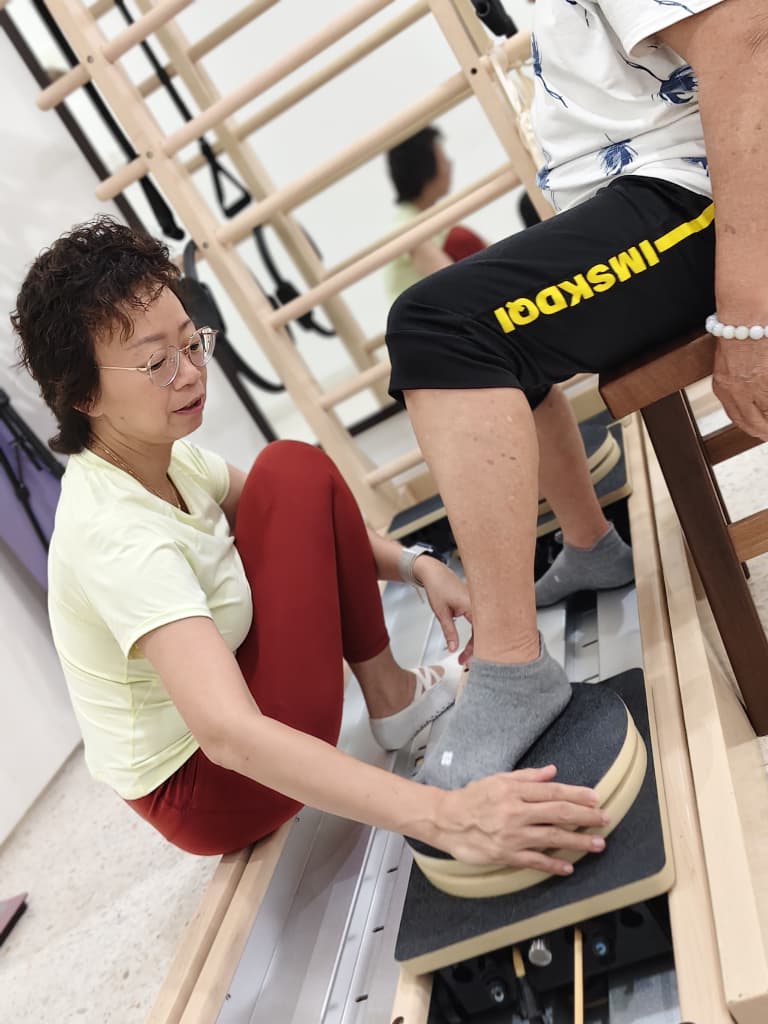
The solution lies in retraining movement patterns and restoring fascial health. By using targeted exercises that rehydrate tissue, lengthen restricted chains, and re-establish proper alignment, we can help fascia regain its elasticity and adaptability. This doesn’t just reduce pain—it creates a foundation for sustainable strength, better posture, and efficient movement. Functional training approaches that prioritize biomechanics over brute force are proving especially powerful in helping people break free from chronic pain loops.
